
Introduction to Modern Web Development
Web development has evolved dramatically in recent years. Building modern, scalable, and maintainable applications requires following industry best practices and staying current with the latest technologies.

Code Organization and Architecture
A well-organized codebase is essential for long-term maintainability. Follow these principles:
Separation of Concerns
Keep your HTML, CSS, and JavaScript separate. Use component-based architecture to create reusable, modular code.
- Use MVC or MVVM patterns
- Create small, focused components
- Avoid mixing business logic with presentation
- Keep functions small and single-purpose

Performance Optimization
Website performance directly impacts user experience and SEO rankings.
Frontend Performance
- Minimize HTTP requests
- Optimize and compress images
- Use lazy loading for images and components
- Implement code splitting
- Minify CSS, JavaScript, and HTML
Backend Performance
- Use caching strategies (Redis, Memcached)
- Optimize database queries
- Implement CDN for static assets
- Use asynchronous processing for heavy tasks

Security Best Practices
Security should be a top priority in every web application.
- Input Validation: Always validate and sanitize user input
- SQL Injection Prevention: Use prepared statements and parameterized queries
- XSS Protection: Escape output and use Content Security Policy
- CSRF Protection: Implement CSRF tokens for forms
- HTTPS: Always use SSL/TLS encryption
- Authentication: Use secure password hashing (bcrypt, Argon2)

Responsive Design
Your website must work flawlessly across all devices and screen sizes.
- Use mobile-first approach
- Implement flexible grid layouts
- Use relative units (rem, em, %) instead of pixels
- Test on real devices, not just emulators
- Optimize touch targets for mobile
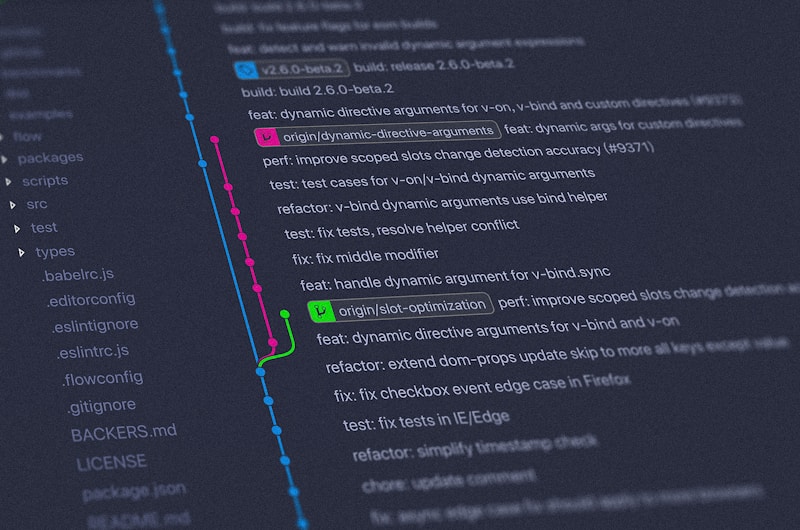
Version Control
Git is essential for modern development workflows.
- Commit frequently with meaningful messages
- Use branching strategies (Git Flow, GitHub Flow)
- Write descriptive commit messages
- Review code before merging
- Keep commits atomic and focused
Testing
Comprehensive testing ensures code quality and prevents bugs.
Types of Testing
- Unit Tests: Test individual functions and components
- Integration Tests: Test how components work together
- End-to-End Tests: Test complete user workflows
- Performance Tests: Ensure application meets performance requirements
Documentation
Good documentation saves time and helps team collaboration.
- Write clear README files
- Document API endpoints
- Add inline comments for complex logic
- Maintain changelog
- Create setup and deployment guides

Accessibility
Make your website accessible to everyone, including users with disabilities.
- Use semantic HTML
- Provide alt text for images
- Ensure keyboard navigation
- Maintain sufficient color contrast
- Use ARIA labels appropriately
- Test with screen readers
Conclusion
Following these best practices will help you build robust, scalable, and maintainable web applications. Remember that web development is constantly evolving, so stay curious and keep learning new technologies and techniques.