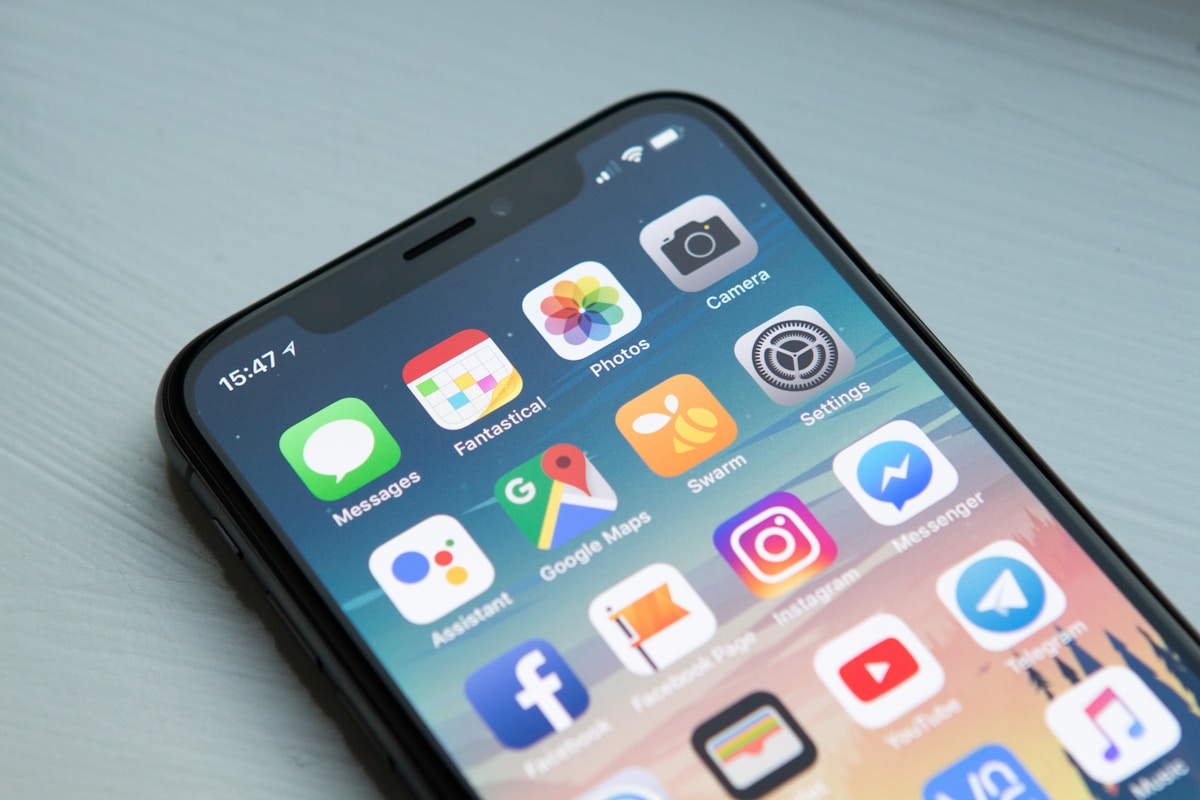
The Mobile App Revolution
Mobile applications have transformed how we interact with technology. In 2026, mobile app development continues to evolve with new frameworks, technologies, and user expectations driving innovation across the industry.
Cross-Platform Development
Build once, deploy everywhere - cross-platform frameworks dominate modern app development:
React Native
- JavaScript-based framework by Facebook
- Native performance with shared codebase
- Large community and ecosystem
- Hot reloading for faster development
- Used by Instagram, Airbnb, Tesla
Flutter
- Google's UI toolkit using Dart
- Beautiful, customizable widgets
- Excellent performance
- Single codebase for iOS, Android, Web
- Growing rapidly in popularity
Native Development
Platform-specific development still offers advantages:
iOS Development (Swift)
- SwiftUI for modern declarative UI
- Best performance on Apple devices
- Access to latest iOS features first
- Xcode development environment
Android Development (Kotlin)
- Jetpack Compose for UI development
- Material Design guidelines
- Android Studio IDE
- Largest mobile market share
Progressive Web Apps (PWA)
Web apps that feel like native apps:
- Work offline with service workers
- Installable on home screen
- Push notifications
- No app store approval needed
- Single codebase for all platforms
AI and Machine Learning Integration
Smart features powered by AI:
- Image recognition and processing
- Natural language processing
- Personalized recommendations
- Voice assistants and chatbots
- Predictive analytics
5G and Edge Computing
Faster connectivity enables new possibilities:
- Real-time multiplayer gaming
- AR/VR experiences
- 4K video streaming
- IoT device integration
- Reduced latency for critical apps

App Security Trends
Protecting user data is paramount:
- Biometric authentication (Face ID, fingerprint)
- End-to-end encryption
- Secure API communication
- Regular security audits
- Privacy-first design
Monetization Strategies
Different ways to generate revenue:
- Freemium: Free with premium features
- Subscription: Recurring monthly/yearly payments
- In-App Purchases: Buy virtual goods or features
- Advertising: Display ads to free users
- Paid Apps: One-time purchase price

User Experience Trends
Modern UX principles for mobile apps:
- Dark mode support
- Gesture-based navigation
- Minimalist design
- Micro-interactions and animations
- Personalization
- Accessibility features
App Store Optimization (ASO)
Get discovered in app stores:
- Keyword-optimized title and description
- Eye-catching app icon
- Compelling screenshots and videos
- Positive reviews and ratings
- Regular updates
- Localization for different markets
Testing and Quality Assurance
Ensure app quality before launch:
- Unit testing for individual components
- Integration testing
- UI/UX testing
- Performance testing
- Security testing
- Beta testing with real users
Conclusion
Mobile app development in 2026 offers exciting opportunities with powerful frameworks, AI integration, and improved connectivity. Choose the right technology stack for your needs, focus on user experience, and stay updated with the latest trends to build successful mobile applications.